 TIẾNG VIỆT
 Mekong Capital launches climate fund to protect vulnerable Southeast Asian farmers
Mekong Capital Ltd. is launching a new private equity fund aimed at fighting climate change, backed by a massive $50 million anchor investment from the Green Climate Fund (GCF).
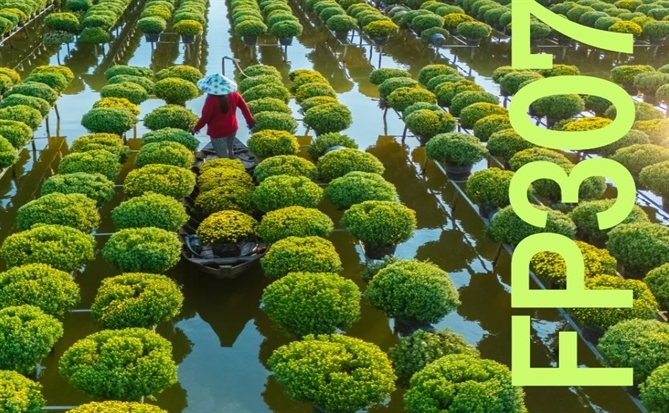
The new initiative - dubbed the Mekong Earth Regeneration Fund (MERF) - aims to raise up to $200 million, according to a statement on the GCF's website. It will specifically target regenerative agriculture, forestry, and aquaculture businesses in the lower Mekong River regions of Vietnam and Laos.
The commitment will be channeled through Deutsche Bank, which is stepping in as the fund’s accredited entity to provide oversight, monitoring, and supervision.
A region at risk
Both Vietnam and Laos rely heavily on agriculture, leaving a vast swath of their workforce dependent on a sector that is highly vulnerable to the climate crisis. These communities face constant threats from extreme weather events, including floods, typhoons, and severe droughts, alongside rising temperatures and saline intrusion.
While both nations have outlined national climate plans calling for low-emission, climate-resilient farming, private investment has largely lagged behind what is desperately needed. High upfront costs, long payback periods, limited access to critical technology, and a lack of policy support have all served as major roadblocks for the region.
Bridging the financial gap
MERF plans to bridge that gap by using a blended-finance structure to mobilize private capital into a market where it is currently scarce. The fund will invest directly into 10 to 12 agricultural companies to help accelerate the transition to low-emission, climate-resilient land-use practices across the Lower Mekong Region.
Over its 12-year lifespan, the fund is projected to deliver massive environmental and economic impacts. It aims to reduce emissions by approximately 8.5 million tons of carbon dioxide equivalent (tCO2eq).
In addition to its environmental goals, MERF is expected to directly reach about 279,400 people, with an additional 33,262 benefiting indirectly. The project will focus on creating new jobs, strengthening market access, and boosting income resilience for local farmers.