 TIẾNG VIỆT
 Vietnam among rising stars in supply chain in South East Asia
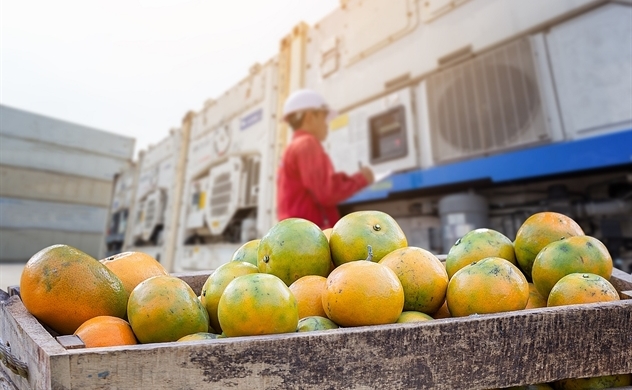
Photo: C&W Vietnam
The region will move up the value chain and begin producing more finished goods as China’s capacity is taken up with servicing domestic demand, estimated Tim Foster, Head of Supply Chain & Logistics Advisory, Asia Pacific at C&W.
The COVID-19 pandemic over the last two years put the spotlight on supply chain networks across the world as supply disruptions became a major issue affecting the flow of trade globally and within regions. Asia’s role in global trade has also changed and with the growing importance of intraregional trade in Asia, corporations are having to reconfigure and build-out their logistics and industrial networks in the region, according to C&W’s latest report.
The manufacture of finished goods will also increase for labor-intensive industries such as textiles, apparel, shoes, and furniture, from which Vietnam, Malaysia, India, and Indonesia all stand to gain. In addition, bulky goods such as rubber, plastics, glass, chemicals, and cement will be traded within the region given the cost to transport these materials.
Food and beverage will also drive growth in intraregional trade given their perishable nature and the need for cold chain integrity and traceability, with Indonesia, Vietnam, Philippines, and Malaysia being key markets, said Trang Bui, General Manager at C&W Vietnam.
Cold storage logistics is a sector that has gained traction in recent times due to the growing opportunities for drug and vaccine imports and exports, coupled with the spike for online retail and food delivery services, she added.
The cold chain market in Vietnam is still nascent and fragmented. Two main components of the market are commercial cold storage and self-operating facilities, with the latter being a segment dominated by the seafood processing sector. Companies compete on various parameters including warehouse capacity, number of pallets, fleet with modified and professional trucks, temperature range, network coverage and locations, Trang commented.
The cold chain market in Vietnam accounted for about $169 million in 2019. Given the boom in the sector in anticipation of the vaccine delivery, growth in seafood processing and consumer demand, it is expected to reach a value of $295 million by 2025, which translates to about 12 percent growth on an annual basis.
With the growing importance of intraregional trade in Asia – Asia for Asia – corporations are having to reconfigure and build-out their logistics and industrial networks in the region. Again, speed to market will be a key differentiator, though this needs to be balanced against closeness to suppliers of raw materials and components.